
What items are banned from a roll-off dumpster?
The short list that trips people up most: paint cans (even empty ones with residue), motor oil and other automotive fluids, tires, car batteries, propane and butane tanks, refrigerators and air conditioners with refrigerant still in them, and anything with asbestos. Add medical or biohazard waste, and any container that once held pesticides or herbicides. If you're not sure whether a load qualifies, Modesto Porta Pros can walk through it before delivery rather than after the truck shows up. This matters more on bigger jobs. A 30 yard dumpster rental fills up fast on a whole-house cleanout, and mixed loads with a banned item can hold up the pull. Freon-bearing appliances are a common miss. So are old fluorescent tubes, which contain mercury. Wet paint is the one people forget most, because dried paint in a can is usually fine to toss, but liquid paint is not. If your project involves any of the chemicals covered by OSHA 1926.51(f)(1), such as coatings, herbicides or insecticides, plan separate disposal and washing facilities, not the dumpster. Check what cannot go in a dumpster again before the final load goes in, since one bad item can flag the whole bin.
Why do these restrictions exist?
Landfills operating under state and county rules refuse hazardous and regulated waste because it contaminates soil, water and the working face of the landfill itself. A dumpster rental cost already accounts for standard debris, not sorting hazardous material out after the fact, so a flagged load usually means extra fees or a second trip. Modesto residents renovating a home built before the 1980s should ask about asbestos testing first, since old flooring, insulation and popcorn ceilings sometimes contain it. A construction dumpster rental is built for wood, drywall, metal and general debris, not for chemical containers or anything still under pressure like a propane cylinder. Weight matters too. Concrete, dirt and roofing shingles are heavy enough that they run into dumpster weight limits fast, and a dumpster loaded past its rated capacity gets flagged at the scale regardless of what's inside it. Knowing the difference between "heavy but allowed" and "banned outright" saves a trip. If your load is mostly yard waste and household junk from a property near Rouse or Ceres, a standard container usually handles it without issue.
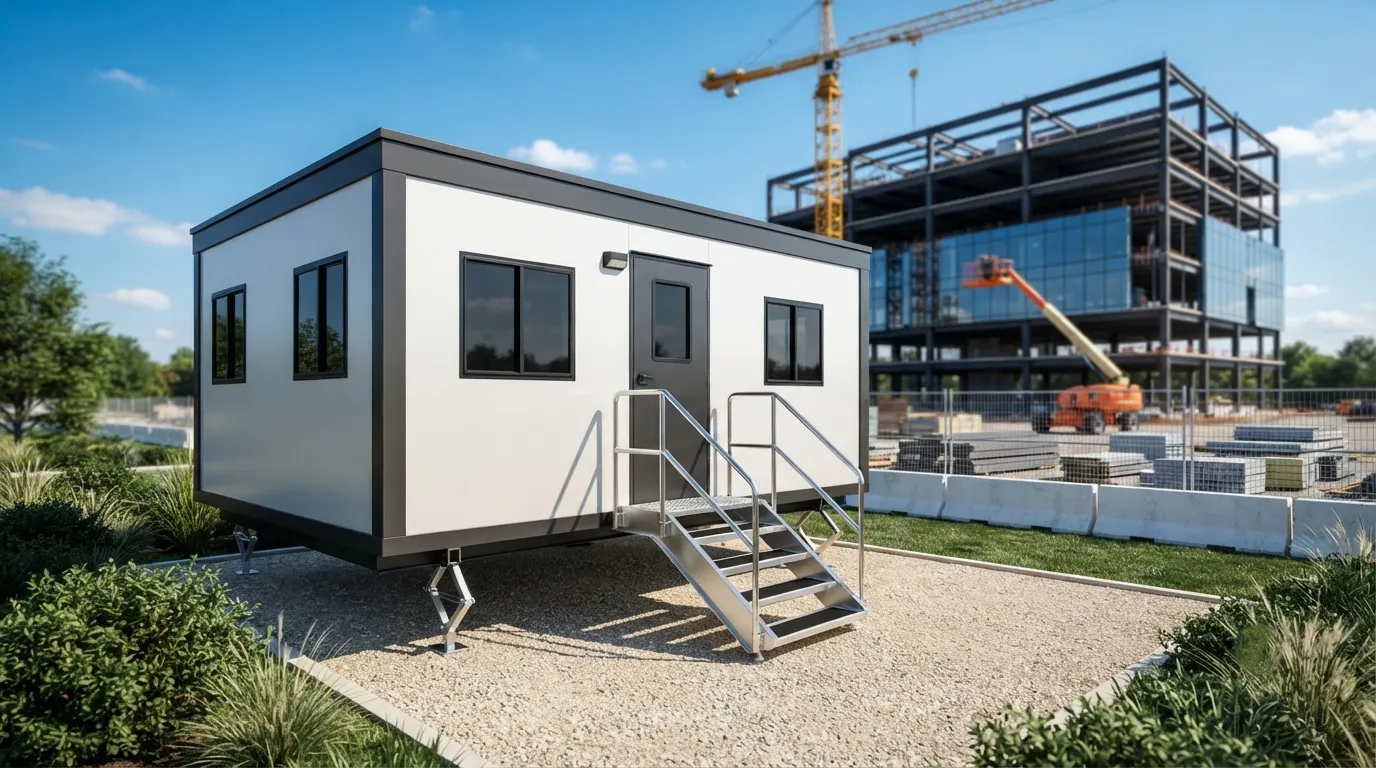
What about tires, batteries and electronics?
Tires, car batteries and most electronics are banned from general dumpsters because they need separate recycling streams, not landfill disposal. Car batteries contain lead and acid; most auto parts stores will take them back for free, which is usually faster than trying to route them through waste disposal. Tires get charged separately almost everywhere because they trap gas and rise to the surface of a landfill cell over time. Old televisions, monitors and computers fall under electronic waste rules in California and shouldn't go in a roll-off at all. If you're clearing out an office along with a jobsite, pair your dumpster with a storage container rental for anything salvageable, and keep the e-waste in its own pile until you find a drop-off point. For teardown projects near Airport or Parklawn, a 20 yard dumpster rental is often the right size once tires, batteries and electronics are pulled out of the load ahead of time.
Can I put liquids or wet materials in a dumpster?
No. Liquids of any kind, including paint, oil, chemicals and wet concrete, are not allowed because they leak, add uncontrolled weight, and can violate landfill acceptance rules outright. Solidify small amounts of leftover paint with cat litter or a commercial hardener before disposal, and let concrete cure completely before loading it, since cured concrete is rubble and generally acceptable while wet concrete is not. Grease and cooking oil is its own category. A restaurant clearing a kitchen should look at grease trap pumping rather than trying to pour anything into a bin. A grease interceptor is typically pumped once fats, oils, grease and solids reach 25 percent of the liquid depth inside the tank, and that same logic applies to why liquids don't belong in solid waste containers generally. Anyone doing a septic-adjacent cleanout in Modesto should also check septic tank cleaning or septic pumping service before assuming a dumpster covers the whole job.
| Item | Allowed in Standard Dumpster |
|---|---|
| Household junk, furniture | Yes |
| Wood, drywall, metal scrap | Yes |
| Cured concrete, asphalt | Usually, weight-limited |
| Wet paint, motor oil | No |
| Tires, car batteries | No |
| Propane tanks, refrigerants | No |
| Asbestos, medical waste | No |
What happens if I put a banned item in my dumpster?
The hauler can refuse the pull or charge a contamination fee once they spot it at the yard or landfill scale. This is more common with paint cans and tires than anything else. Sort before the truck arrives, and ask Modesto Porta Pros if you're unsure about a specific item.
Can I throw away old paint cans?
Dried, hardened paint is generally fine in a standard container. Liquid paint is not. Solidify it with an absorbent material or take it to a household hazardous waste site instead of guessing.
Do mattresses and appliances go in a roll-off?
Mattresses are usually fine. Appliances with refrigerant, like refrigerators and window AC units, need the refrigerant removed first by a certified technician before they're accepted.
What size dumpster do I need for a cleanout?
Depends on volume, not just square footage. A 10 yard dumpster rental suits a small room, while whole-house jobs often need a 40 yard dumpster rental. Check dumpster sizes and dimensions before booking.
Do I need a permit if the dumpster sits on the street?
Placement in the public right of way needs confirming with the city. Check dumpster permit requirements before delivery day, especially for driveways too short for the truck's 60 foot clearance need.
Next step
Get a delivery date
Tell us the address, the dates and the headcount. We size the order and confirm the route.